Child-Friendly Deck Designs: Fun and Secure Areas for Children
Designing a child-safe deck requires careful consideration of both safety and enjoyment for children. The ideal materials and design elements can foster a protected setting while still promoting imaginative play. Careful design elements confirm that parents can unwind, knowing their kids are safe. Examining various ideas can lead to a dynamic environment that meets the needs of all family members. Which creative approaches can convert an ordinary deck into an impressive outdoor haven?
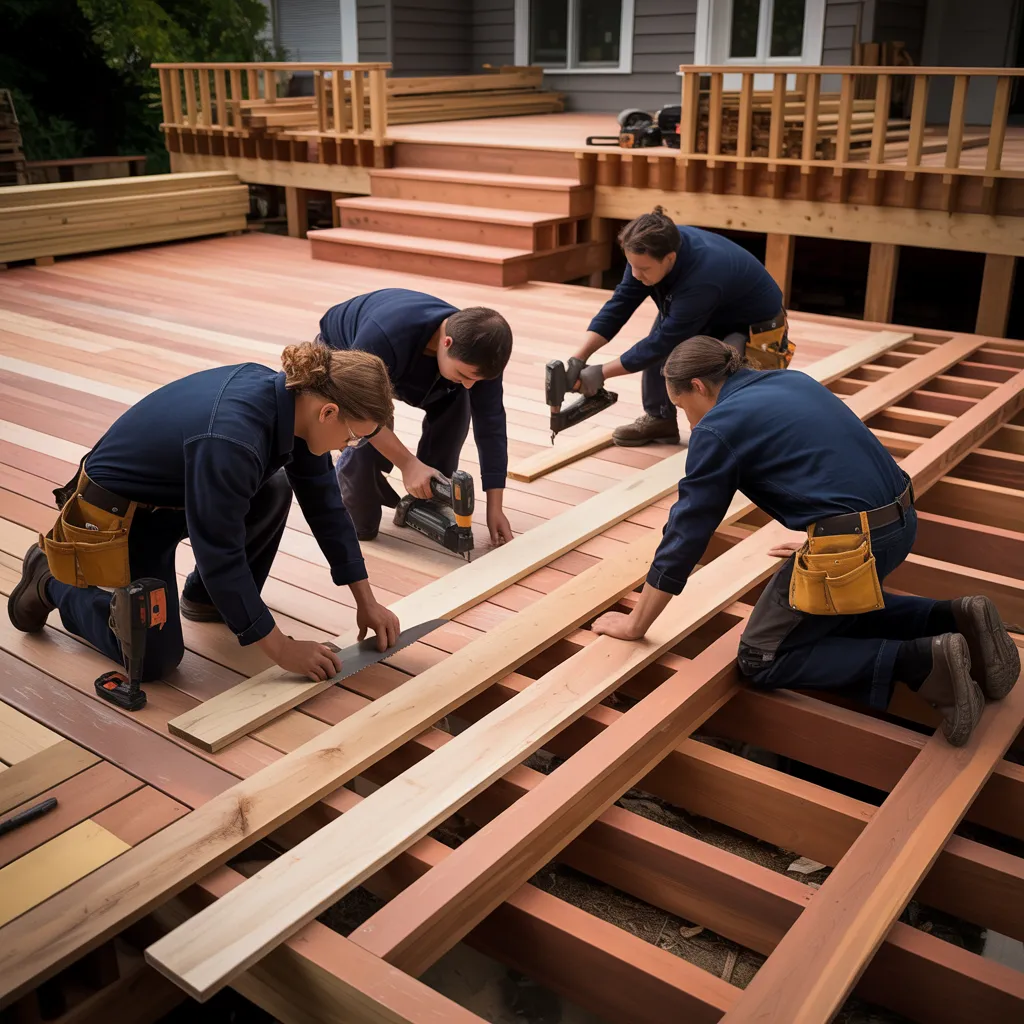
Selecting Safe Materials for a Family-Friendly Deck
When building a family-friendly deck, selecting safe materials is paramount. Parents prioritize the safety of their kids, making it necessary to choose substances that reduce hazards. For deck construction, composite materials often stand out for their toughness and ability to resist splintering, which can assist in preventing accidents. Furthermore, choosing wood infused with non-toxic protective solutions guarantees that toxic substances do not seep into the surrounding environment.
Railings must be robust yet structured to prevent little hands from becoming trapped or used for climbing. Smooth textures are necessary to reduce the risk of cuts or abrasions, and rounded corners can improve overall safety. Additionally, selecting slip-resistant finishes is critical, most importantly in zones where moisture is common.
At the core of it all, careful material selections help create a protected outdoor setting where family members can spend meaningful time, encouraging both enjoyment and security as guiding values of the deck space.
Innovative Design Concepts to Ignite Children's Imagination
Developing a family-friendly deck includes not only protection but also sparking children's creativity. To achieve this, parents can add bright colors and imaginative designs that engage kids' creativity. For example, placing a chalkboard surface supports imaginative play, allowing kids to draw and write freely.
Including themed zones can further encourage imaginative play; a nautical-themed corner, adorned with ropes and steering wheels, can carry children into exciting adventures. Plush, textured flooring, such as cushioned foam tiles, creates a tactile experience that inspires exploration.
Moreover, including related information elements from nature, including a small garden or exploratory planters, can nurture interest in the natural world. An inviting storytelling space, complete with comfortable seating and creative decor, encourages children to dive into cherished storybooks. By bringing together these inspired design elements, a backyard deck can transform into an enchanting space that supports the imaginative growth of children while prioritizing their well-being.
Engaging Outdoor Games for Kids
Although a beautifully crafted deck serves as a great foundation, engaging outdoor games are essential for keeping kids active and entertained. Incorporating games like cornhole and giant Jenga can foster friendly competition, promoting collaboration and motor skills. These pursuits not only boost physical health but also improve interpersonal skills as youngsters connect and work together.
One other well-liked choice is a straightforward scavenger hunt, which may be adapted to various age ranges. This game encourages curiosity and exploration, enabling kids to uncover their world while having fun. Additionally, classic games such as hopscotch or twister are simple to arrange on a deck, providing hours of fun.
Including a small area for chalk drawings can also encourage creative thinking, allowing kids to showcase their artistic talents. Ultimately, a variety of engaging games ensures that the outdoor space stays vibrant and appealing, making it a favorite spot for children.
Crafting Welcoming Family Zones on Your Deck
Designing comfortable family areas on a deck requires careful planning and consideration. Comfortable seating configurations, child-safe flooring choices, and dedicated shade zones can turn an outdoor area into an inviting haven for the whole family. By combining these components, families can experience valuable time together while prioritizing comfort and security.
Cozy Seating Arrangements
A thoughtfully crafted deck can become a family's favorite gathering spot, especially when cozy seating arrangements invite relaxation and connection. Including a mix of versatile seating choices, such as cushioned benches, oversized chairs, and hammocks, guarantees everyone has a place to rest. Durable, weather-proof materials in bold hues can elevate the welcoming ambiance, while throw pillows contribute an element of coziness and elegance. Setting up chairs in a circular pattern promotes interaction, making it simpler for families to connect while enjoying outdoor time. Additionally, including a sheltered zone with an umbrella or pergola can guard against outdoor conditions, guaranteeing that the space continues to be comfortable in every season. Purposeful seating layouts turn a deck into a treasured family escape, ideal for creating unforgettable moments.
Family-Friendly Flooring Solutions
Following the setup of welcoming seating areas, it is important to address the necessity of picking out family-friendly floor coverings for a residential deck. Safety and comfort are paramount when children are playing outdoors. Sturdy options like composite panels or rubber flooring create a padded area to reduce the force of falls, decreasing the potential for injuries. Furthermore, these options are slip-resistant, providing reliable traction during outdoor fun. For families seeking an eco-friendly choice, reclaimed wood or bamboo can be at once beautiful and earth-friendly. Drainage is another key consideration; flooring that facilitates water runoff can reduce hazardous wet areas. When all factors are weighed, opting for the best flooring solution elevates safety standards and cultivates a pleasant area for family recreation and togetherness.
Shaded Comfort Spaces
What are the best ways for families to relax outdoors while staying shielded from the sun? Establishing shaded and comfortable areas on a deck is key to making the most of outdoor living. Homeowners can install pergolas, retractable awnings, or oversized umbrellas to protect against intense sunlight. These structures not only provide a cool retreat but also enhance the deck's aesthetic appeal. In addition, incorporating weather-resistant rugs and comfortable outdoor seating can form cozy gathering spaces where parents can watch over their kids as they enjoy themselves. Adding greenery, like container trees or trailing vines, can greatly enrich the shaded outdoor setting. By thoughtfully designing these comfort zones, families can enjoy their deck year-round, creating a safe, fun, and relaxing space for all ages.
Must-Have Safety Features for Your Deck
When planning a family-friendly deck, safety features are essential. Sturdy railings and gates provide vital protection, while anti-slip surface materials assist in preventing injuries. Combined, these components establish a safe space for family events and outdoor enjoyment.
Strong Railings And Gates
Strong gates and railings are fundamental protective elements for every family-oriented deck, guaranteeing that kids and animals can enjoy outdoor spaces without danger. These components create a safety barrier that stops accidental falls and maintains children contained within a safe area. These railings should be no less than 36 inches tall, built with long-lasting materials, and designed with narrowly spaced balusters to eliminate climbing hazards. Gates should be self-closing and self-latching to limit unsupervised access, providing parents with peace of mind. Furthermore, including secure locks can strengthen protection, most importantly in homes with small children. By prioritizing sturdy railings and gates, families can create a protected environment that supports outdoor play and discovery while minimizing potential dangers.
Slip-Free Surface Materials
Establishing a secure outdoor space for families extends beyond secure railings and gates to include non-slip surface materials. These surfaces are vital for reducing slip and fall incidents, especially in wet conditions. Solutions like textured composite decking, rubber pavers, and treated wood offer both protection and visual charm. Grooved surfaces boost traction, minimizing the likelihood of mishaps at play. Furthermore, applying non-slip coatings on existing surfaces may improve protection without requiring a full replacement. Families should also consider drainage solutions to limit water accumulation, continually boosting security. When focusing on non-slip options, homeowners can create an inviting outdoor space that enables kids to enjoy unrestricted play while protecting their overall safety.
How to Maintain Your Kid-Friendly Deck
Keeping a child-safe deck requires routine care to ensure safety and longevity. Periodic assessments should be conducted to locate any protruding nails or loose boards that could pose hazards. Washing the deck surface with a mild soap mixture helps remove mold, mildew, and dirt, fostering a protected play space. Moreover, it's important to reapply protective sealants on a routine basis to protect against water intrusion and copyright the deck's durability.
Parents should also check railings and barriers to confirm they are stable and sufficiently elevated to prevent falls. Consistently pruning adjacent shrubs and trees can decrease the collection of leaves and debris and increase sunlight penetration, which assists in drying out the deck following rain. Finally, keeping outdoor equipment and toys stored away can prevent clutter and keep the space organized. By implementing these care routines, parents can ensure a secure and welcoming deck space for kids.
Economical Choices for a Family-Focused Deck
Affordable approaches can considerably elevate a family-oriented outdoor deck without straining your budget. Easy features like outdoor rugs can define play areas while delivering both comfort and protection. Using repurposed materials, such as wooden pallets or storage crates, can generate distinctive seating and storage alternatives for toys, maintaining an orderly space.
Incorporating potted greenery or vertical plant displays brings vibrant greenery without requiring costly landscaping work. Soft, budget-friendly lighting, like outdoor string lights, helps create a pleasant, inviting setting for family gatherings in the evening.
Additionally, selecting inexpensive, weather-resistant pieces ensures long-lasting quality and simple upkeep. A self-built sandbox built using budget-friendly wood is able to provide endless entertainment for children.

Common Questions and Answers
What Are the Top Plants for a Kid-Friendly Deck Zone?
Kid-safe deck plants include snapdragons, lavender, and marigolds, as they are non-toxic and resilient. Additionally, ferns and ornamental grasses deliver beauty while creating a child-friendly setting for young ones to explore freely.
How Can I Incorporate Storage for Kids' Outdoor Toys?
Integrating storage options for kids' outdoor playthings can be accomplished with under-deck cabinets, weather-resistant bins, or decorative storage benches. These solutions keep toys organized, promote safety, and maintain a tidy, inviting outdoor space.
Are There Eco-Friendly Options for Deck Materials?
Eco-friendly options for deck materials include composite materials made from reclaimed plastics, bamboo, and recycled wood. These choices minimize environmental impact while providing durability and aesthetic appeal, making them ideal for eco-friendly outdoor living spaces.
Which Age Group Benefits Most from a Deck for Children?
Decks are ideally designed for kids between the ages of 3 and 12, as children in this age range commonly enjoy playing outdoors and exploring their surroundings. Safety aspects and design factors should address their growth needs and lively play behaviors.
What Is the Best Way to Child-Proof My Deck Railings?
To childproof your deck railings, one can place vertical slats with a maximum spacing of four inches, incorporate mesh or netting barriers, and guarantee that the railing stands at a minimum of 36 inches to prevent accidental falls.